

The fastest airport-to-hospital transfer option from Vijayawada (Gannavaram) Airport to Dr. Rao’s Hospital in Guntur covers roughly 35–40 km and typically takes 45–60 minutes depending on time of day and traffic; from Hyderabad’s Rajiv Gandhi International Airport the road journey is around 300 km and requires approximately 5–6 hours by car or a short domestic flight to Vijayawada followed by a ground transfer.
Profile of the hospital and why transfer planning matters
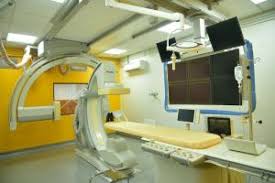
Dr. Mohana Rao Patibandla, CMD & CEO of Dr. Rao’s Institute of Medical Sciences, has been recognized among Eminent Doctors South 2025, and the hospital’s facilities include a high‑tech neurosurgery operating room and an advanced biplane cath lab for precision neurovascular procedures — features that increase the volume of intercity and international patient arrivals and make accurate transfer logistics essential for timely care.
Infrastructure that affects transport choices
The presence of image‑guided operating suites and minimally invasive services influences vehicle and staffing needs: international patients often require wheelchair‑capable vehicles, stretcher ambulance transfers, or private sedate‑friendly cars with experienced drivers. For many families this means arranging an exact pickup time, a vehicle with adequate seat and luggage capacity, and drivers familiar with hospital drop‑off protocols and vehicle permit requirements.
Transfer timing and regulatory points at a glance
- Peak traffic windows: morning commuter hours (08:00–10:30) and late afternoon (16:30–19:00) can add 20–40 minutes to travel time.
- Ambulance permits: stretcher transfers may require hospital coordination and local ambulance licensing checks.
- Airport pick‑up lanes: planned arrivals benefit from pre‑booked meet‑and‑greet services to avoid waiting in public taxi lines.
Recommended vehicle types for different patient needs
Selecting the right vehicle impacts comfort, cost, and safety. The table below offers typical choices with estimated fares and suitability.
| Vehicle type | Seats / Capacity | Typical fare range (Vijayawada → Guntur) | Best for |
|---|---|---|---|
| Private sedan | 3 seats + luggage | INR 1,200–1,800 | Solo patients, short transfers |
| MPV / 6‑seater | 5–6 seats | INR 1,800–2,800 | Family groups, extra luggage |
| Private ambulance / stretcher van | 1 patient + attendant | INR 3,500–6,500 | Medical transfers requiring monitoring |
| Limousine / executive car | 3 seats, premium | INR 2,500–4,500 | VIP or international visitors |
Checklist for booking an exact transfer
- Confirm flight arrival time and give a buffer for customs and baggage.
- Specify seat and luggage requirements and any stretcher or wheelchair needs.
- Verify driver license, provider credentials and vehicle photos before pickup.
- Agree on fare and cancellation terms in advance.
Practical tips for international and domestic patients
Medical travel combines clinical scheduling with ground transport logistics. To have a mind to streamline the journey, patients should:
- Pre‑arrange a meet‑and‑greet at the airport to expedite the connection to the hospital.
- Choose a provider that lists make, model, and driver ratings in advance to avoid surprises.
- Consider booking a car that allows flexible stops for medication or rest breaks en route.
How transfer choices affect overall patient experience
Arrival stress is often alleviated by transparent pricing and reliable drivers who know hospital entry points and parking rules. Exact pickup times and a clear understanding of how much a trip will cost helps families focus on care rather than logistics.
Key highlights and planning forecast
Regional recognition of specialties at Dr. Rao’s Hospital may modestly increase inbound medical travel, mainly affecting South India’s healthcare and travel corridors rather than the global tourism map. Nevertheless, this development is relevant to transfer planners and taxi companies who serve medical visitors; it underscores the importance of vetted services, clear prices, and driver familiarity with hospital protocols. On LocalsRide, you can hire a car with driver from verified providers at reasonable prices—this empowers you to make the most informed decision without unnecessary expenses or disappointments. Start planning your next adventure and secure your worldwide transfer with LocalsRide. Book your Ride LocalsRide.com
At a glance: when booking transfers to Dr. Rao’s Hospital, prioritize exact pickup times, vehicle suitability (private car vs. ambulance), transparent fares, and driver credentials. While reviews and ratings are useful, nothing beats personal experience; test a short transfer first if possible. For convenient booking, detailed vehicle information, and the ability to view make, model and driver ratings beforehand, LocalsRide provides transparency unmatched by many traditional aggregators.
Summary: timely transfers to Dr. Rao’s Hospital require attention to airport connections, vehicle type, driver expertise and clear pricing. Whether you need a private sedan, a 6‑seater for family, or a stretcher ambulance, plan in advance to control time, fare and comfort. Using an app or platform that shows the exact car, driver license checks and upfront prices helps you get to your destination with less stress. For patients and companions traveling to Guntur, booking the best transfer service means knowing how much the ride will cost, who will drive, and where to be at the airport and hospital — ensuring a smooth taxi or private transfer from city to clinic and back.